4.5 (2,300 reviews)
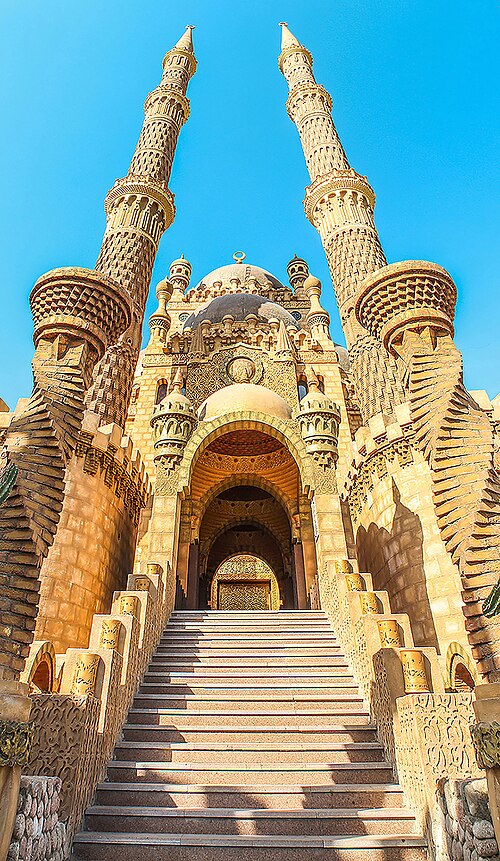
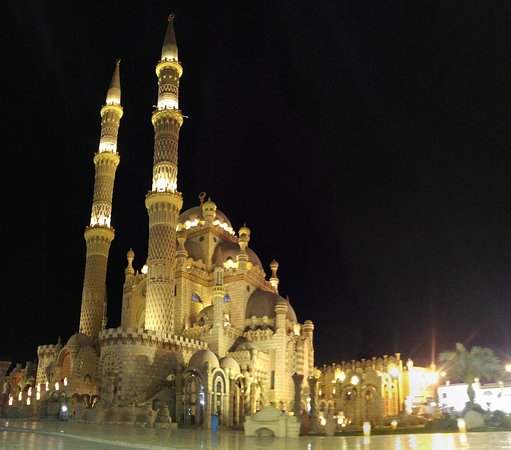
Book NowAl-Sahaba Mosque is one of the most famous and frequently visited mosques in Sharm El-Sheikh. It is known for its modern architectural beauty and peaceful environment, attracting Muslim visitors for prayers while also serving as a cultural and religious landmark in the city. The mosque plays an important role in religious tourism, allowing visitors to experience local Islamic culture. Location: • Situated on Umm El-Sayed Plateau, south of Naama Bay. • Close to hotels and tourist resorts. • Easily accessible by car or taxi. • Surrounded by open spaces sometimes used for religious and community events. Its strategic location makes it convenient for tourists wishing to visit a religious site during their stay. History: • Built in recent years to serve the growing population and tourism on Umm El-Sayed Plateau. • Named “Al-Sahaba” in honor of the companions of the Prophet Muhammad. • Has become an important religious symbol in the city, attracting both local worshippers and international visitors. Architectural Design: • Combines traditional Islamic style with modern elements. • Features a large distinctive dome and a tall minaret visible from a distance. • Walls are decorated with Arabic calligraphy and intricate Islamic patterns. • Outdoor courtyards provide seating and relaxation areas. • Night lighting enhances the mosque’s aesthetic appeal. Facilities and Services: • Large prayer halls for men and women. • Fully equipped ablution areas. • Reception hall for guests and visitors. • Small library with religious and educational books. • Parking spaces around the mosque for easy access. Religious and Tourist Activities: Performing the five daily prayers. Attending the weekly Friday prayer. Participating in religious lectures and educational activities. Visiting to appreciate Islamic art and decorative elements. Exterior photography for cultural and religious tourism enthusiasts. Cultural and Religious Importance: • Showcases Islamic culture in Sharm El-Sheikh. • Serves as a place to teach religious behavior to children and youth. • Demonstrates coexistence between tourism and religious heritage. • A destination for religious tourism within city tours. Best Time to Visit: • Morning to see the mosque in natural sunlight. • Sunset to enjoy the outdoor lighting and open spaces. • Prayer times, when local worshippers and tourists gather. Key Features: • Strategic location on Umm El-Sayed Plateau • Architectural design blending traditional and modern styles • Fully equipped facilities for visitors and worshippers • Beautiful night illumination Challenges: • Can be crowded during Friday prayers. • Visitors must respect dress codes and behavioral rules. • Not an entertainment venue, but a cultural and religious landmark.